How did Verve turn deep-tech research into a guiding light for Findest?
Verve’s brief for Findest’s first rebrand started with a piece of music. Ben Reisler, the Amsterdam and Hague-based agency’s former Senior Strategist & Unit Lead, played Max Richter’s November to the team as a way of describing the feeling he was chasing – the sensation of searching and searching, and slowly beginning to trust that the path is leading somewhere. From that brief came the ‘Guide’ archetype, and from the archetype came a list of objects a guide might carry like compasses, maps and lanterns. The lantern won. “Not only is a lantern the most visually compelling, it’s also the most accurate to the Findest experience,” Reisler explains. “Findest isn’t about ‘here’s the answer’; it’s as much about the search as it is about the find.” Findest scouts research, patents and IP for R&D teams at ASML, Philips, BMW and Canon, compressing what would take a fortnight of desk research into roughly half an hour. Its audience is made up of engineers and expert research teams who evaluate claims for a living. That audience did most of the early editing. “These are not people who respond to hype,” says Roman Stikkelorum, Co-Founder & Managing Director at Verve. “They have spent careers separating signal from noise. So the brand had to do the same.” The phrase ‘for legit disruptors,’ lifted from the original brief, became a working filter. Rocket ships were out. Abstract network nodes were out. Gradients chosen for the sake of looking futuristic were out. The central organising idea Verve arrived at is called ‘The Findest Light,’ and it operates in three named modes tied to different moments in a research journey. Guiding Mode is directional – a sharp, graphic line where each bend marks an inflexion point, a new insight or a solution. It carries the everyday work of UI, navigation and communication. Supercharged Mode introduces glow to signal acceleration and momentum, and becomes the visual home for IGOR, Findest’s AI agent. Illuminated Mode is the most expressive setting, reserved for the eureka state and tuned toward the ethereal and expansive. Naming the three modes was, practically, the decision that handed the brand back to Findest’s internal team. With a shared language in place, they could make day-to-day calls without checking in each time. Getting the light itself to behave correctly took a volume of iteration that eventually outran the available software. “At some point, we realised the right tools didn’t exist yet,” says Stikkelorum. “We built custom tooling so the Findest team could work with the system independently. That’s when a brand truly becomes theirs.”


More Featured Inspiration

Students From Media Design School Redesign Kupu to Drive Everyday Use of Te Reo Māori by Eilish Neal , Scarlett Kang , Jayme Ducommun , Mehmet Gultekin , Jules Castillon

How Studio Dial turns tactile generative experiments into brand tools by Studio Dial
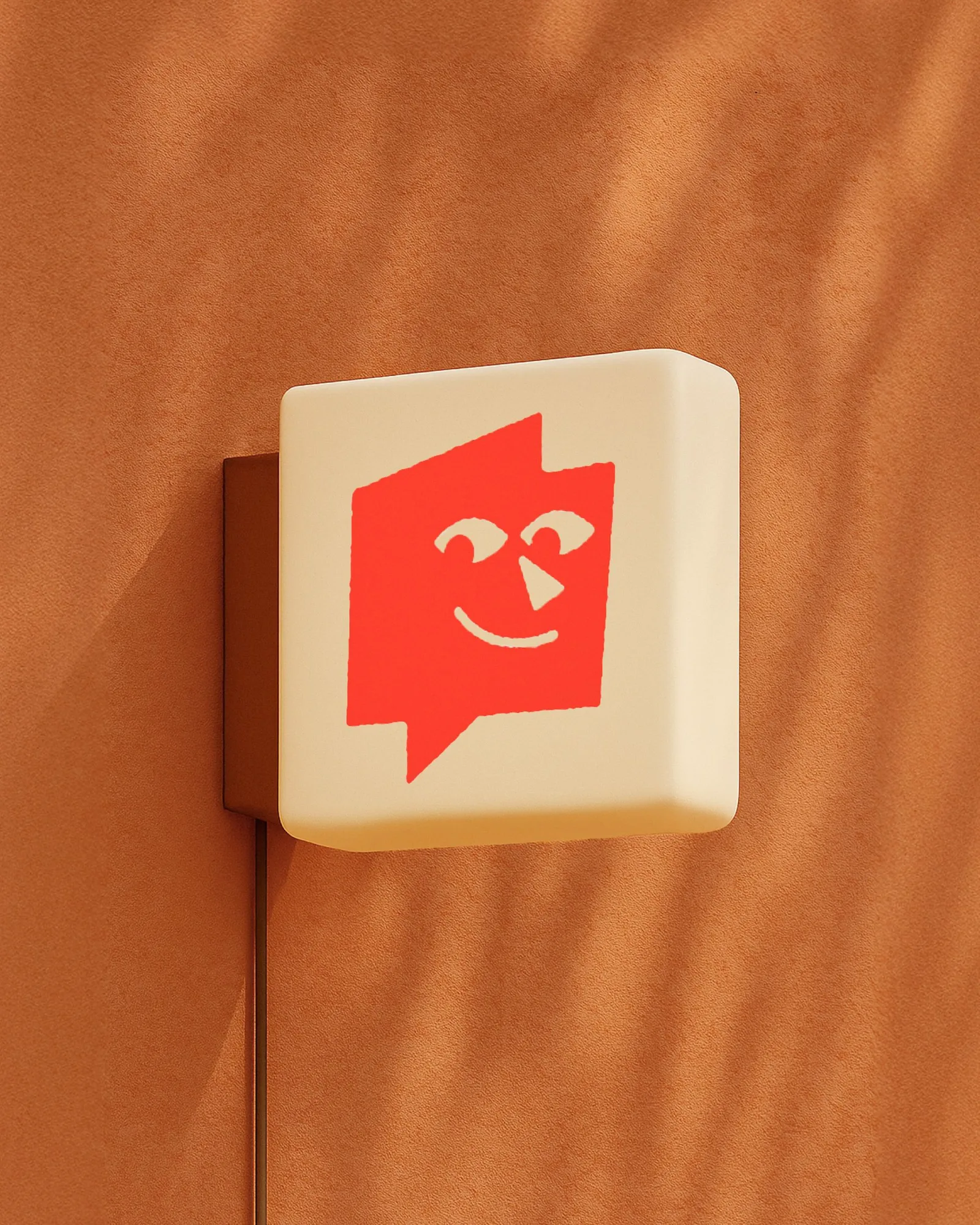
Fello by Bold Scandinavia
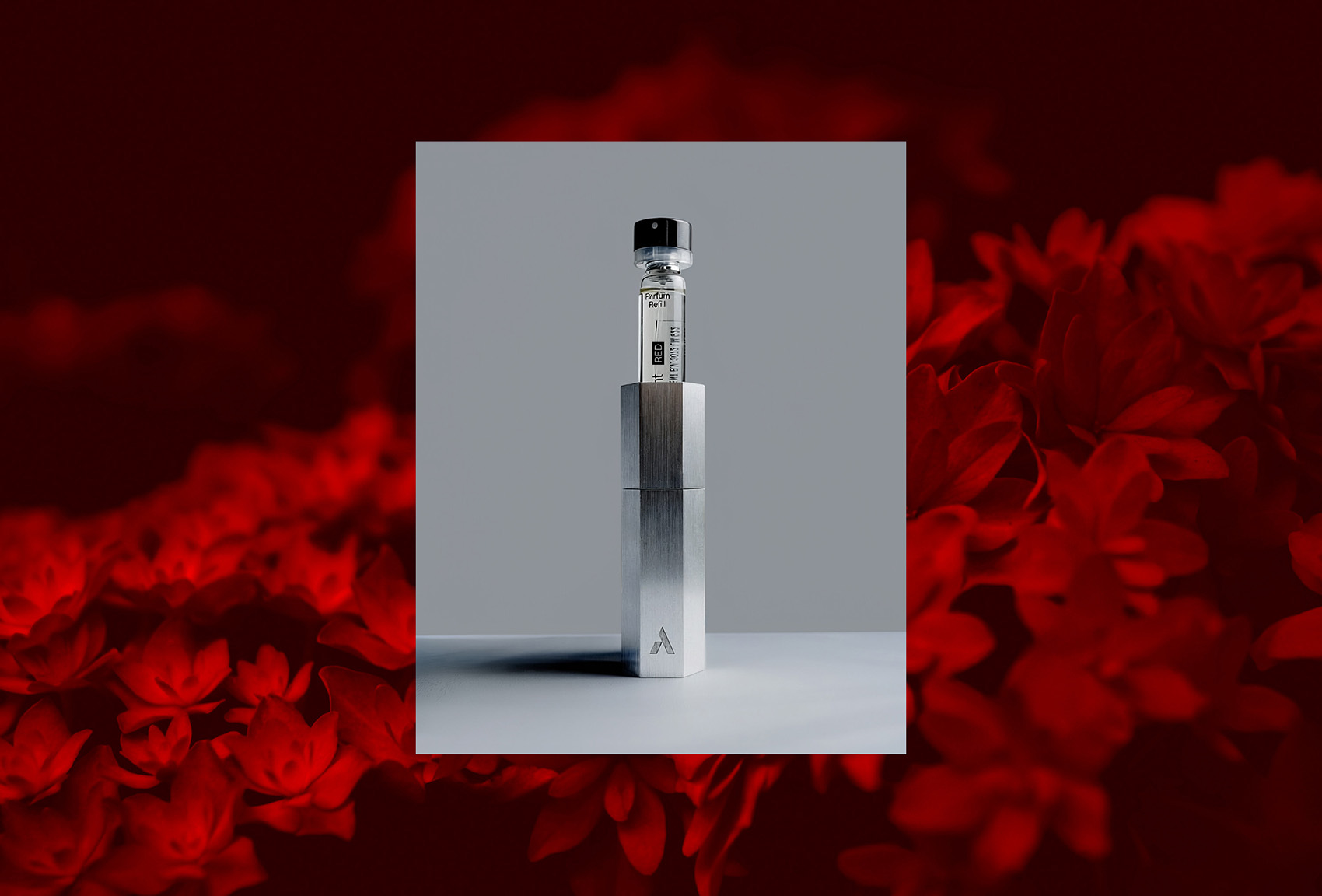
Ascent by Visual Journal Selection

Butterfly Cannon Blends the Worlds of Fine Wine & Whisky, With Their Creation of Glenmorangie’s Wine Cask Collection by Butterfly Cannon

Saxon Campbell on why side projects let designers be beginners again by Independent Studio
Looking to build an iconic brand identity or packaging?
US BRANDING STUDIO collaborates with ambitious founders, startups, and luxury brands to design distinctive visual identities, bespoke typography, packaging systems, and comprehensive design languages.