
How The Atlantic turned 169 years of print into a festival identity
For the 2026 Atlantic Festival, The Atlantic’s in-house design team went into its archive room in the New York City office, where it found borders, section dividers and mastheads, along with decorative elements like seashells, seahorses, mermaids and tridents – ornaments that have supported the magazine’s pages since 1857. The team scoured every edition of the magazine for fragments that it could take apart, recombine, redraw, transform and push somewhere else. It set itself a question: how do we make 169 years of design history feel alive while capturing the energy of a live event? Everything that the team found was photographed and scanned, then rebuilt through image trace to work as vector shapes, with adjustments where they were needed. A fragment scales from a small asset up to a backdrop or a stage screen. “The question that took us the longest to settle was how ‘clean’ to make them,” explains Design Director Laura Scofield. “With the tools available now, it’s tempting to smooth a 200-year-old woodcut into a crisp vector, but what you lose is exactly what gives it personality. The wobble in a border. The places where the ink didn’t take. We argued about it a lot, and in the end, we kept the irregularities and let the translation to digital stay visibly imperfect.” “The layouts are composites assembled via fragments, a real montage of heterogeneous times,” Scofield details. “Visual elements of our history that had never shared a page before are suddenly presented together.” The one reference from outside the archive was “the Verbasizer – the app David Bowie built with Ty Roberts in the mid-nineties to automate the cut-up technique he’d been using to write songs for decades.” They also considered an AI randomiser that would have assembled the ornaments into layouts, but decided against it so the team could keep experimenting on its own terms.


More Featured Inspiration

Students From Media Design School Redesign Kupu to Drive Everyday Use of Te Reo Māori by Eilish Neal , Scarlett Kang , Jayme Ducommun , Mehmet Gultekin , Jules Castillon

How Studio Dial turns tactile generative experiments into brand tools by Studio Dial
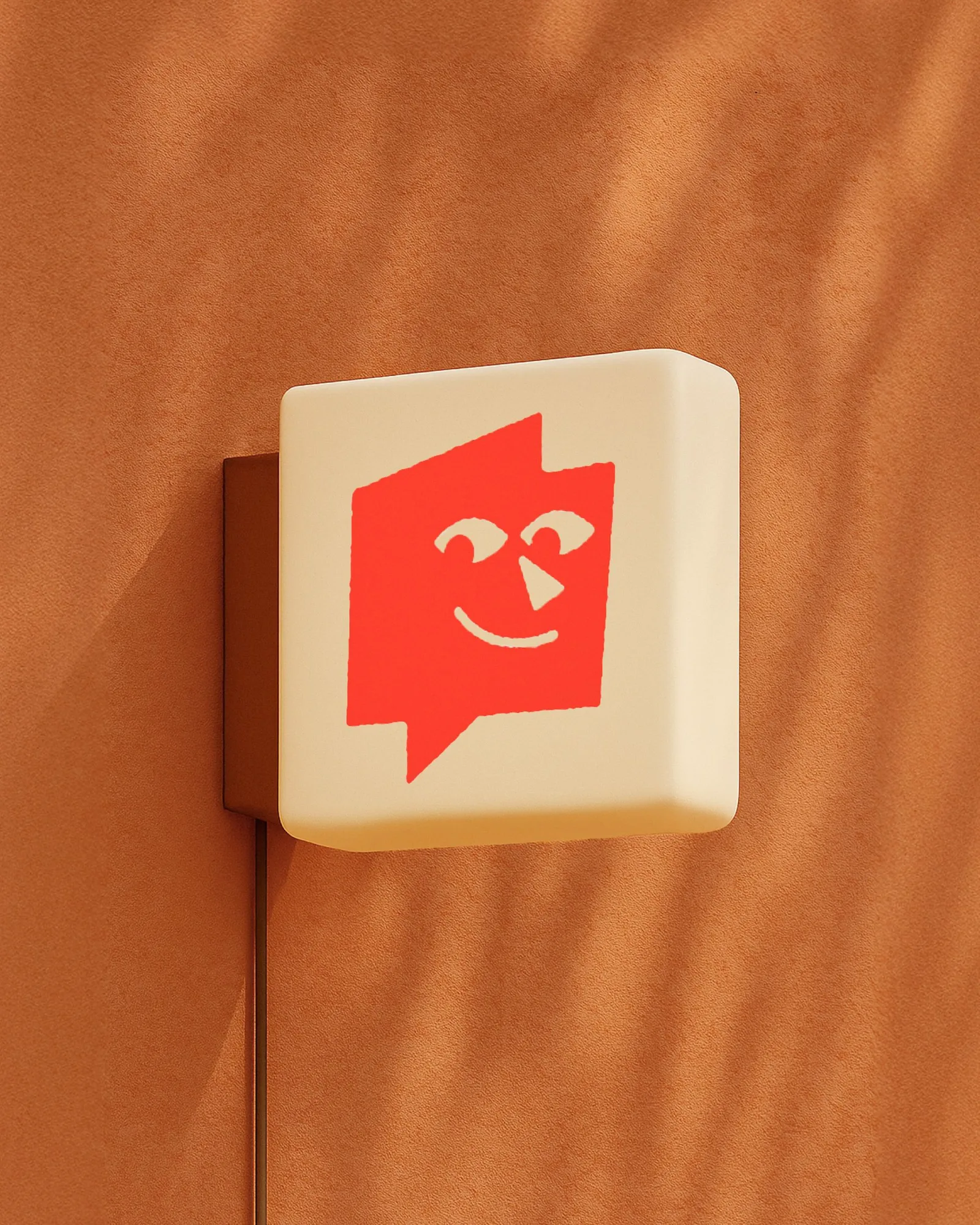
Fello by Bold Scandinavia
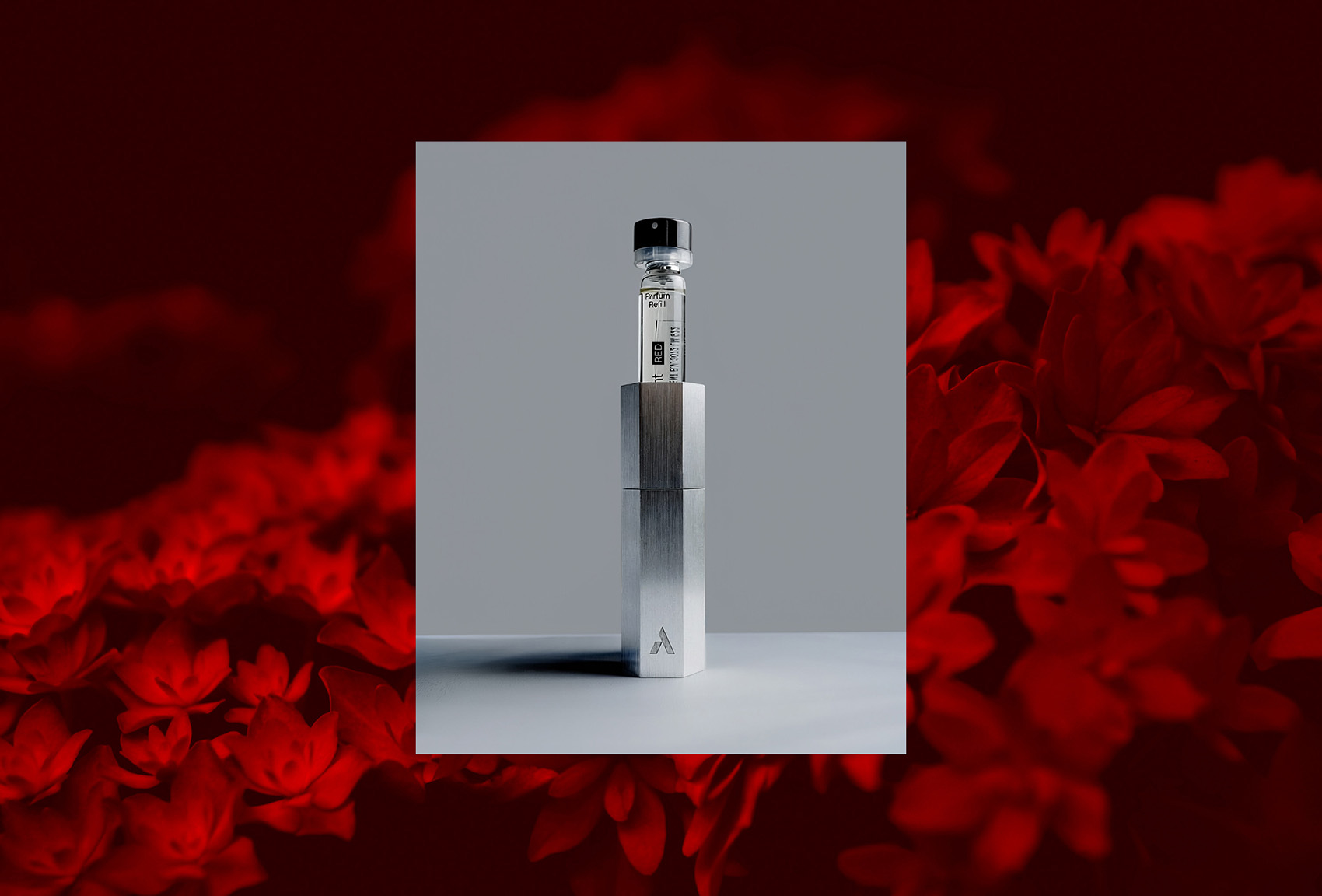
Ascent by Visual Journal Selection

Butterfly Cannon Blends the Worlds of Fine Wine & Whisky, With Their Creation of Glenmorangie’s Wine Cask Collection by Butterfly Cannon

Saxon Campbell on why side projects let designers be beginners again by Independent Studio
Looking to build an iconic brand identity or packaging?
US BRANDING STUDIO collaborates with ambitious founders, startups, and luxury brands to design distinctive visual identities, bespoke typography, packaging systems, and comprehensive design languages.